Dirty Unleaded Fuel Problems After Tanker Deliveries
Dirty Unleaded Fuel Problems: Why 91, 95 & 98 Aren’t Always Clean
Many drivers assume that filling up with unleaded fuel — whether it’s 91, 95, or 98 — at a busy service station guarantees clean, consistent fuel.
But dirty unleaded fuel problems can still happen, even at major high-turnover sites.
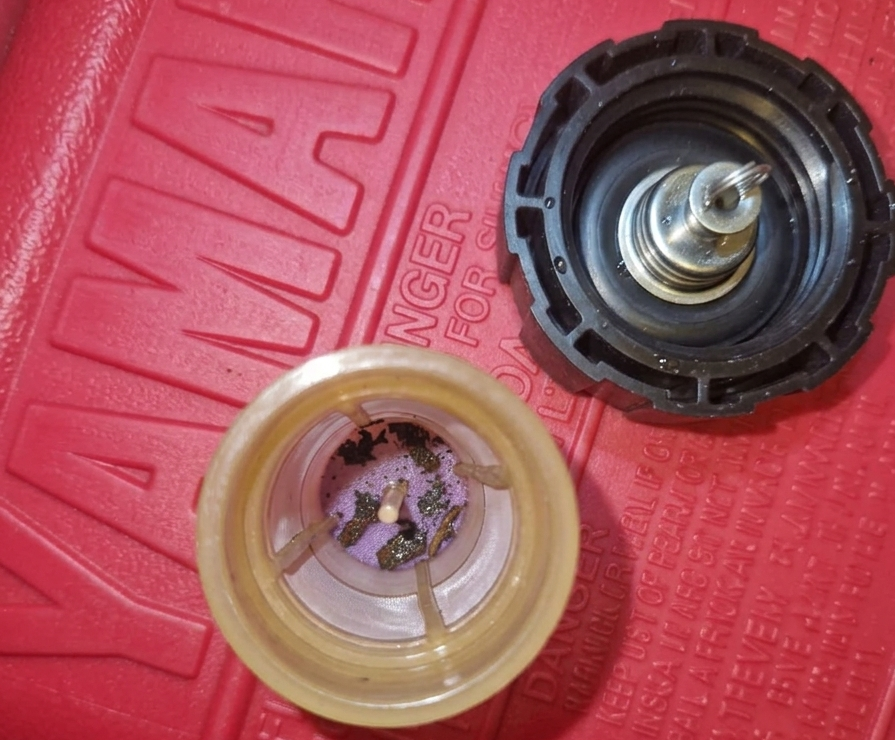
Recently, one of our customers refuelled not long after a tanker had replenished the site’s underground tanks. Fortunately, they had a pre-filter in place. What it caught was a mix of debris and varnish — exactly the kind of contamination that can create fuel system problems in modern petrol engines.
While this may have been a one-off event, it highlights an important issue: fuel grade does not guarantee fuel cleanliness. Whether you choose 91, 95, or 98, contamination can still enter the fuel stream under certain conditions.
What Causes Dirty Unleaded Fuel?
One of the highest-risk times can be shortly after a tanker delivery. When underground tanks are refilled, settled material at the bottom of the tank can be disturbed and mixed back into the fuel.
This can include:
- sediment and particulate debris
- oxidised fuel residue, often described as varnish
- water-related contamination
For a short period, this can increase the chance of dirty fuel being dispensed into a vehicle.
Symptoms of Dirty Fuel in Petrol Engines
Modern unleaded engines, especially direct injection engines, rely on precise fuel delivery and clean injector spray patterns. Even minor contamination can affect performance over time.
Common dirty fuel symptoms include:
- rough idle / blocked filters
- hesitation under load
- poor fuel economy
- loss of power
- hard starting
- injector fouling
Varnish is particularly problematic because it creates sticky deposits that continue building inside the fuel system if left untreated.
Why 91, 95 & 98 Don’t Always Mean Clean Fuel
It’s important to separate octane rating from fuel cleanliness.
91, 95 and 98 refer to the fuel’s octane performance, not whether the fuel is free from debris, varnish or other contaminants. Even premium unleaded can carry contamination if tank conditions, handling or delivery timing create the opportunity.
How to Help Protect Your Engine
In this case, a pre-filter acted as the first line of defence by stopping the debris before it reached sensitive fuel system components.
But physical filtration does not always address the varnish and deposit build-up that can continue inside injectors and fuel pathways. That’s where a quality fuel treatment can help support long-term fuel system cleanliness.
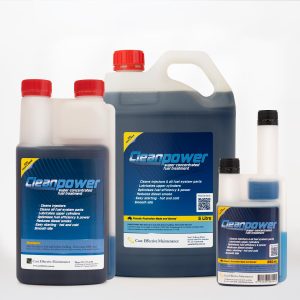
Recommended Product: Cleanpower Fuel Treatment
Cleanpower is designed to help keep the fuel system clean by targeting injector and fuel system deposits. It helps break down varnish, reduce deposit build-up, support cleaner injectors, and maintain more consistent fuel system performance in unleaded engines.
The Bottom Line
Dirty unleaded fuel problems can occur even at major service stations, especially when a vehicle refuels soon after a tanker delivery stirs up settled contamination.
That’s why protecting your engine is about more than simply choosing 91, 95 or 98. A layered approach — including filtration and fuel system treatment — can help reduce the risk of injector fouling, poor performance and avoidable repair bills.