2 Million Kilometres Driving Toyota Diesels: One Driver’s Story
Real-world lessons from the road
High kilometre diesel maintenance isn’t about luck. It’s about consistency, monitoring, and preventing problems before they turn into downtime.
Over the past 27 years, professional road pilot Paul Mason has travelled more than 2,000,000 kilometres across Australia in demanding conditions where reliability is non-negotiable.
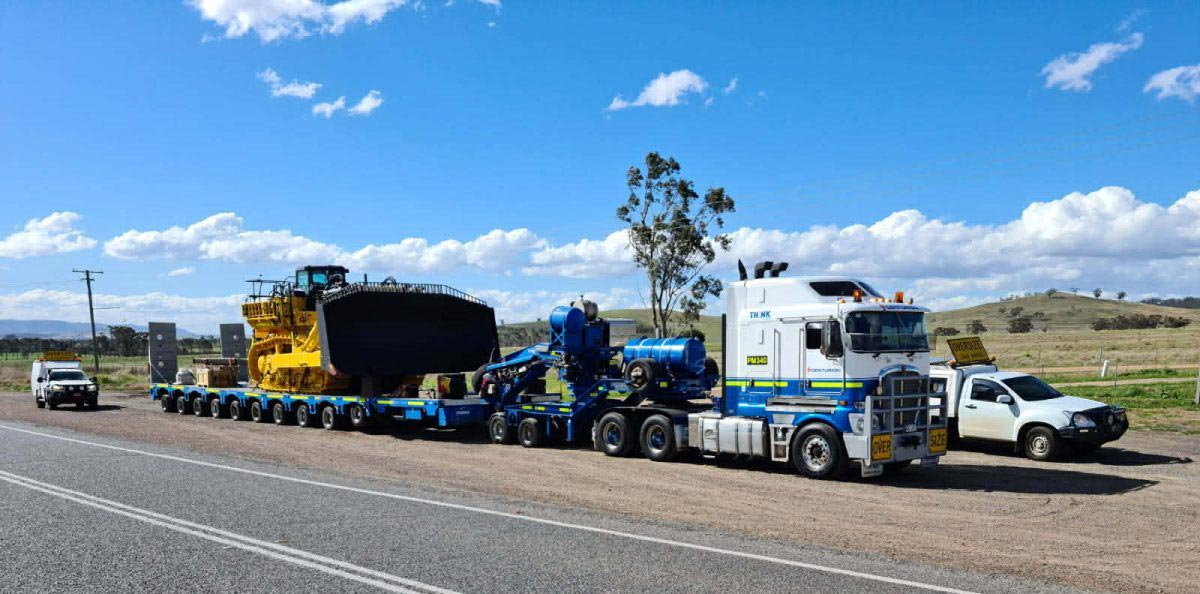
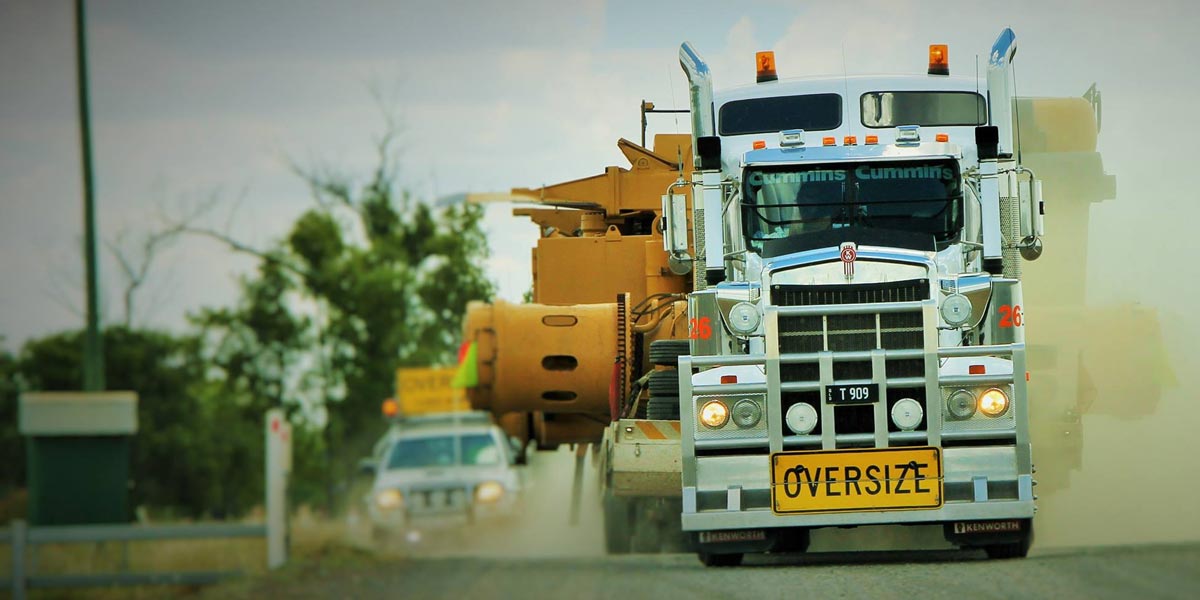
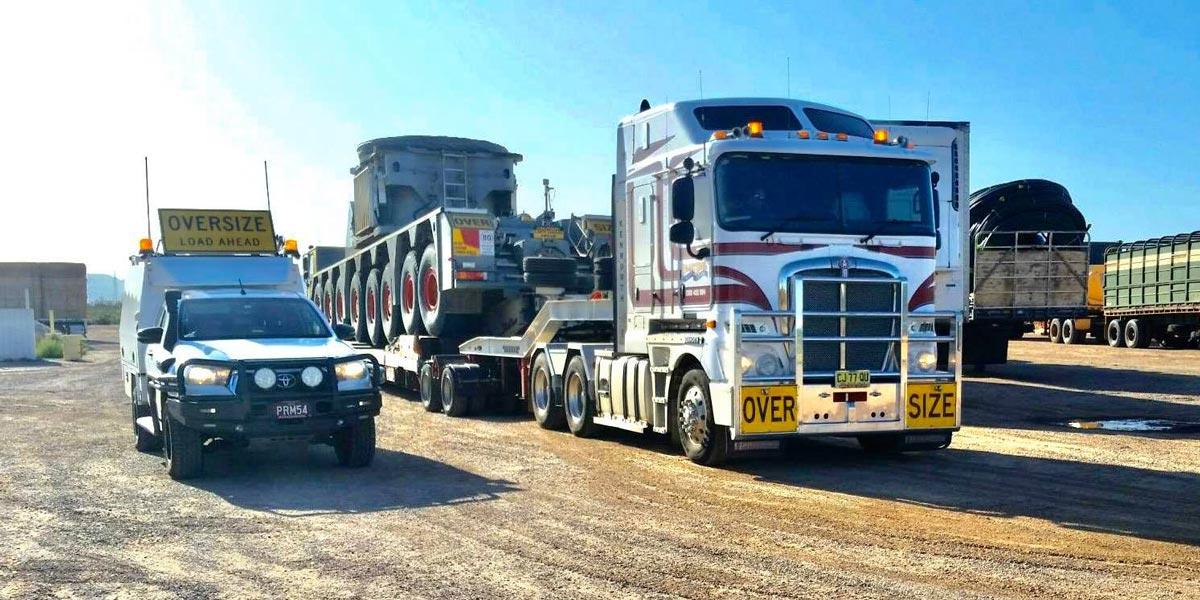
For the past 15 years, Paul has worked alongside Nick from WIP, (Working iT Pilots) business operating a small fleet of modern, regularly maintained vehicles. In oversize and heavy transport support, reputation comes down to one thing: turning up, on time, every time — and that starts with reliable equipment.
Reliability isn’t optional in road piloting
Breakdowns in this industry don’t just delay a vehicle. They affect load timeframes, police escort bookings, customer scheduling, and the reputation of everyone involved.
As a subcontractor, Paul knows mechanical failure has consequences well beyond the repair bill.
“Being a subcontractor, having a vehicle which is reliable plays a big part in doing our work. We can’t afford a breakdown. There are other factors involved like timeframes for the load and rebooking police escorts.”
That’s exactly why WIP’s approach matters. Modern vehicles, maintained properly, reduce risk and keep jobs moving.
The vehicles behind the kilometres
Paul’s results come from disciplined maintenance across two long-serving vehicles:
Toyota V8 LandCruiser — 1,250,000 km
Toyota Hilux — currently 982,000 km (and still working)
Both vehicles have been consistently maintained throughout their working lives.
Paul’s current Hilux is looked after by Albany Creek Auto. David, the owner, takes a proactive approach and keeps Paul informed about issues before they become big repairs.
“David takes the time to update me of any forthcoming issues.”
For Paul, it’s simple:
“For me, my vehicle is my office. I need to make sure it’s running at its best.”
What 2 million kilometres teaches
After nearly three decades on the road, the lessons are simple. Consistency prevents avoidable failures. Monitoring reduces surprises. And performance-based fuel and oil protection supports long-term engine durability.
There’s no secret formula — just discipline and structured preventative maintenance.
For operators aiming to push vehicles beyond 500,000 km — or even past 1 million kilometres — proactive maintenance reduces downtime and protects major components.
More than 2 million kilometres confirms it: preventative maintenance is the most cost-effective strategy in long-term diesel ownership.
Performance-based additives and long-term reliability
As a diesel engine racks up serious kilometres, things naturally start to change. Carbon builds up. Injectors wear. Fuel lubricity drops. Soot levels increase. Oil oxidises and sludge can form.
It doesn’t happen overnight — but if it’s ignored, performance gradually declines and wear steadily increases.
Over the years, Paul has worked closely with Jimmy from Cost Effective Maintenance to stay ahead of those risks. For Paul, additives aren’t a last-minute fix. They’re part of the plan.
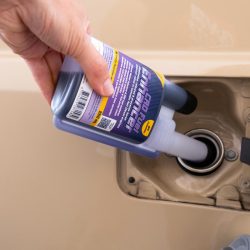
Modern common rail diesel systems operate at extremely high pressures, which means even small drops in fuel lubricity or minor deposit build-up can accelerate wear in injectors and pumps. To stay ahead of it, Paul runs CRD Fuel Enhancer as part of his routine maintenance — not for short-term gains, but for long-term protection. Cleaner injectors, improved lubricity, smoother combustion, and reduced stress on precision components all matter when a vehicle is pushing toward a million kilometres.
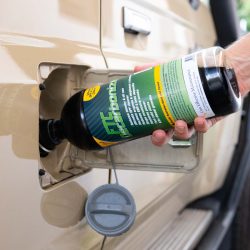
At the same time, sustained load naturally creates carbon build-up in combustion chambers, piston ring lands, turbochargers, and exhaust systems. Left unmanaged, those deposits gradually reduce efficiency and performance. Rather than waiting for symptoms, Paul periodically uses FTC Decarbonizer to control carbon early and maintain cleaner combustion. The philosophy is simple: manage it early, avoid fixing it later.
Oil system protection at high kilometres
As engines age, oil contamination becomes a major longevity factor. Soot, oxidised oil, and combustion by-products can restrict oil flow and reduce lubrication efficiency.
At major service intervals, Paul uses Flushing Oil Concentrate to help clean oil galleries before refilling with fresh oil. He also adds AW10 Anti-Wear Treatment to support lubrication under load and reduce metal-to-metal friction.
Most importantly, he monitors what’s happening inside the engine using Oil Sampling Kits. Wear metals, fuel dilution, coolant contamination, and soot levels are measured — not guessed.
“Data beats guesswork.”
That structured approach is a big reason these vehicles have gone the distance.
Proven by Inspection
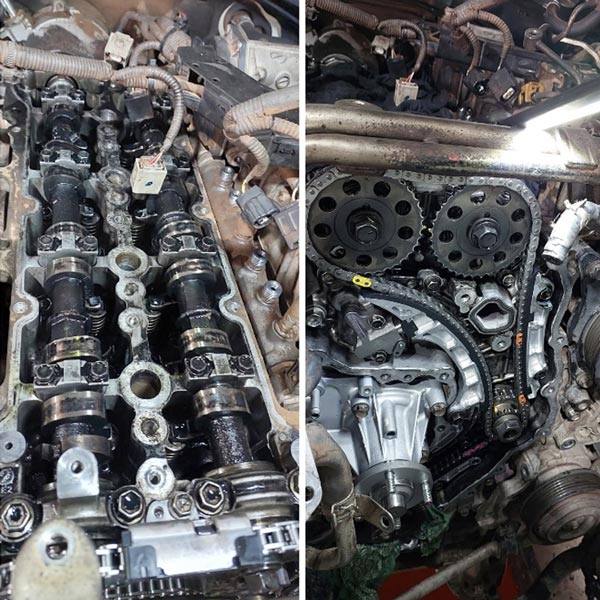
During a recent water pump upgrade inspection, the engine showed no sludge build-up, no oil pressure concerns, and clean internal components. That result wasn’t accidental. It was the outcome of disciplined servicing, professional workshop oversight, and consistent fuel and oil system protection.
Reliability builds reputation
WIP’s reputation is built on reliability — the kind that protects timeframes, reduces rescheduling headaches, and keeps transport operations moving.
After more than 2 million kilometres, the conclusion is simple:
Extreme diesel longevity isn’t luck. It’s planned.