Service Station ULP Fuel Additive Treatment Guide
Select the right treatment product based on your fuel system condition. Covers petrol (ULP) dispensing systems — diesel treatments also available.
✓ Independently Verified
✓ Non-Hazardous Options
✓ ASTM D975 Compliant
Keeping fuel flowing.
Keeping your site open.
For a service station, every minute a bowser is down means revenue lost and a customer turned away. In particular, slow pumps, blocked filters, and contaminated fuel are among the most disruptive — and most preventable — operational problems your site faces.
Unfortunately, the causes are often invisible until they become urgent. First, water ingress leads to microbial growth; in turn, microbial growth produces sludge and acids; finally, that sludge blocks filters and damages pumps.
As a result, by the time flow rates drop noticeably, contamination has usually been building for weeks or months.
Therefore, this guide gives service station operators a clear, practical treatment pathway — from routine preventative dosing through to curative treatment for confirmed microbial contamination. Consequently, you can act early, protect fuel quality, and keep dispensing systems running without unnecessary downtime.
Above all, every product recommended here is independently verified against Australian fuel quality standards for both petrol (ULP) and diesel. Accordingly, you can treat with confidence that fuel quality is maintained from tank to nozzle.
Common Service Station Fuel System Problems
Slow or reduced bowser flow
Often the first visible sign of filter blockage or deposit buildup in the dispensing system. Causes customer complaints and reduces throughput.
Blocked or frequently replacing filters
Brown sediment and debris clogging filters indicates varnish or sludge buildup. Repeated filter changes are a symptom, not a solution.
Water and microbial contamination
Water enters tanks through condensation, faulty seals, or delivery. Even small amounts create ideal conditions for microbial growth — the “diesel bug” — that produces sludge, acids, and corrosion.
Forced downtime and pump outages
Severely contaminated systems may require the bowser to be taken offline for tank cleaning. Early treatment prevents this — and reduces the risk of fuel quality complaints reaching your customers.
Fuel quality compliance risk
Contaminated fuel that reaches dispensing nozzles can breach the Fuel Quality Standards Act. Using verified, compliant additives at the right stage protects your site’s compliance obligations.
PMX-145 is now the recommended biocide for microbial & water contamination
As of May 2026, PMX-145 has been independently verified for safe use in unleaded 98 petrol under the Fuel Quality Standards (Petrol) Determination 2024 & Amendment 2026, passing all fuel quality parameters. Combined with its non-hazardous classification and ability to be dosed directly into any tank, this means PMX-145 now replaces Kathon 15 as the primary recommendation for confirmed microbial contamination in petrol and diesel systems.
Fuel System Conditions & Recommended Actions
|
NormalOperating normally
What you see
PetrolCleanpower
DieselCRD Fuel Enhancer Keeps it that way
|
Early warningFirst signs
What you see
PetrolCleanpower
DieselCRD Fuel Enhancer Act at the first sign of slowing or brown residue — it’s the cheapest fix.
Result
|
|
SevereFilters blocking
What you see
Escalate to PMX-145 if the first product isn’t clearing the blockage.
Result
|
Contamination ★Water & microbial
What you see
Do thisPMX-145
Remove standing water, then dose PMX-145 straight into the tank — petrol or diesel. Non-hazardous, no specialist handling. Severe cases: Kathon 15 (professional, pre-mix only). Diesel: keep CRD running alongside. Always change filters after the first dose.
Result
|
Fuel Additive Treatment Guide — Full Reference Table
⛽ Left = Petrol (ULP)
🛢️ Right = Diesel (add CRD Fuel Enhancer)
| Pump Status | What You See | What To Do |
⛽ Petrol (ULP)
🛢️ Diesel |
Expected Result |
|---|---|---|---|---|
| Normal | Everything operating normally | Keep dosing preventatively |
Cleanpower
CRD |
System stays clean. Diesel: CRD improves combustion and injector cleanliness |
| Warning | Pumps starting to slow | Start treatment immediately |
Cleanpower
CRD |
Flow improves gradually |
| Warning | Brown residue in filters during service | Start treatment |
Cleanpower
CRD |
Prevents buildup worsening |
| Warning | Flow dropping / inconsistent | Continue treatment + monitor filters |
Cleanpower
CRD |
Stabilises system |
| Warning | Filters blocking — pumps must stay running | Keep running + treat. Escalate to PMX-145 if Cleanpower alone isn’t clearing blockage |
Cleanpower → PMX-145
CRD → PMX-145 |
Cleanpower: slow improvement, no disruption. PMX-145: faster clean-up — change filters after dosing |
| Severe | Filters blocking / heavy brown residue | Start Cleanpower → escalate if needed |
Cleanpower → PMX-145
CRD → PMX-145 |
Gradual or fast recovery depending on approach |
| Severe | Filters keep blocking despite treatment | Dose PMX-145 → pump out bottom sediment before resetting system | PMX-145 | Sludge drops to tank bottom. Pump out sediment via drain or vacuum. System resets, then stabilises with residual biostatic protection. |
| Contamination ★ | Water in tank, slime, microbial growth, heavy bottom sediment | 1. Remove standing water 2. Dose PMX-145 directly into tank 3. Pump out bottom sediment via drain point or vacuum 4. Change filters | PMX-145 Primary Kathon 15 (alternative, severe) |
Kills contamination. Dead biomass settles — pump out recommended for heavy sludge loads. Biostatic residual prevents regrowth. Fuel-quality safe in diesel & ULP 98. Independently Verified 2026 |
| No improvement | No improvement after treatment | Call technician — may be mechanical | — | Mechanical diagnosis required |
Why PMX-145 is the Preferred Biocide for Service Stations
Direct Tank Dosing
Unlike Kathon 15, PMX-145 can be added directly into petrol or diesel tanks — including road vehicle tanks. By contrast, Kathon 15 explicitly prohibits direct vehicle tank dosing and requires fuel pre-treatment.
Non-Hazardous Classification
Importantly, PMX-145 carries no dangerous goods transport classification. As a result, there are no DG freight surcharges, no specialist storage requirements, and no chemical handling infrastructure needed on site.
Petrol & Diesel Verified
Independent testing in May 2026 confirms PMX-145 compliance with the Fuel Quality Standards (Petrol) Determination 2024 for ULP 98. Furthermore, full verification is in place for diesel under ASTM D975.
Long-Term Biostatic Protection
After treatment, PMX-145 remains suspended in the fuel and acts as a biostat to prevent microbial regrowth. As a result, you get proven protection of 5+ years in diesel and 2+ years in biodiesel.
No User Restrictions
Kathon FP 15 is rated “professional users only.” PMX-145 carries no such restriction, making it suitable for site operators to handle and apply themselves.
Australian Products
Cleanpower, CRD Fuel Enhancer, and PMX-145 are all Australian made Cost Effective Maintenance products — independently tested at Australian laboratories, supported locally, and stocked for fast delivery across Australia.
Additive Dosage Quick Reference
Bowser / Filter Check Guide
| Product | When Using It | What To Do With Filters |
|---|---|---|
| Cleanpower | Normal / early issues | No change — check during normal service |
| Cleanpower | Some deposits present | Check filters more frequently |
| Cleanpower | Blocked system (keeping pumps running) | Check filters and change as needed |
| CRD Fuel Enhancer | Diesel — normal ongoing use | No filter change required — CRD is combustion-focused; no sludge or deposit mobilisation expected at standard dose |
| CRD Fuel Enhancer | Diesel — used alongside PMX-145 during recovery | Follow PMX-145 filter guidance — change filters after first PMX-145 dose; resume normal schedule once system is clean |
| PMX-145 | First dose on contaminated system | Change filters immediately after dosing |
| PMX-145 | Ongoing biocide maintenance | Check frequently after initial treatment; return to normal schedule once clean |
| Kathon 15 | Initial dose (water/microbial — severe) | Check filters and change after initial dose |
| Kathon 15 | Ongoing treatment | Check and change filters as needed |
Recommended Treatment Strategy
Maintain with Cleanpower — Diesel: add CRD Fuel Enhancer
For petrol systems, keep dosing Cleanpower continuously. For diesel, also pair Cleanpower with CRD Fuel Enhancer (1:8,000) to improve combustion efficiency and keep injectors clean. Overall, this is your first line of defence against deposits, varnish, and reduced flow.
First sign of slowing or brown debris → start or intensify treatment
For petrol systems, start or intensify Cleanpower. For diesel, ensure CRD is being dosed and, if flow doesn’t recover, escalate to PMX-145. Importantly, act early — this is the lowest-cost intervention and avoids escalation.
Filters blocking or confirmed microbial/water contamination → PMX-145
Dose PMX-145 directly into the tank. Because it is non-hazardous, no pre-mixing is required. Change filters after the first dose. Importantly, the product then remains in the fuel as a biostat to prevent regrowth. Suitable for both petrol (ULP) and diesel; in addition, diesel operators can continue CRD alongside PMX-145.
No improvement after treatment → call a technician
However, persistent issues after appropriate treatment may indicate a mechanical fault requiring diagnosis.
Independent Testing Results
ULP 98 — Cleanpower & PMX-145 Compatibility
Cleanpower and PMX-145 independently tested in Unleaded 98 (PULP, No Ethanol) at an accredited Australian laboratory (NATA accredited). Sample taken 24-Apr-2026; testing completed 07-May-2026.
| ASTM Method | Test Parameter | Result | Spec Limit | Status |
|---|---|---|---|---|
| ASTM D1319 | Aromatics (Corrected) | 38.5 Vol% | Max 45.0 | PASS |
| ASTM D1319 | Olefins (Corrected) | 14.1 Vol% | Max 18.0 | PASS |
| ASTM D1319 | Saturates (Corrected) | 47.4 Vol% | — | PASS |
| ASTM D5580 | Benzene | 0.86 Vol% | Max 1.00 | PASS |
| ASTM D130 | Copper Corrosion @50°C for 3hrs | 1a | Max Class 1 | PASS |
| ASTM D86 | Final Boiling Point | 187.2 °C | Max 210 °C | PASS |
| ASTM D4815 | DIPE | <0.20 Vol% | Max 1.00 | PASS |
| ASTM D4815 | ETBE | <0.20 Vol% | Max 1.00 | PASS |
| ASTM D4815 | Ethanol | <0.20 Vol% | Max 10.00 | PASS |
| ASTM D4815 | MTBE | <0.20 Vol% | Max 1.00 | PASS |
| ASTM D4815 | tert-Butanol | <0.20 Vol% | Max 0.50 | PASS |
| ASTM D4815 | Total Oxygen | <0.20 Wt% | Max 2.70 | PASS |
| ASTM D381 | Average Washed Gum Content | <0.5 mg/100ml | Max 5.0 | PASS |
| ASTM D525 | Induction Period @100°C | >360 min | Min 360 | PASS |
| ASTM D3237 | Lead Content | <2.5 mg/L | Max 5.0 | PASS |
| ASTM D2700 | Motor Octane Number | 87.4 | Min 85.0 | PASS |
| ASTM D3231 | Phosphorus Content | <0.20 mg/L | Max 1.3 | PASS |
| ASTM D2699 | Research Octane Number | 98.1 | Min 95.0 | PASS |
| ASTM D5453 | Sulfur Content | 12 mg/kg | Max 50.0 | PASS |
Diesel — CRD Fuel Enhancer Compatibility
Independently tested at an accredited diesel analysis laboratory. All results confirm CRD-treated diesel meets international fuel quality benchmarks for lubricity, cleanliness, combustion, and stability.
| ASTM Method | Test Parameter | Result | Spec Limit | Status |
|---|---|---|---|---|
| ASTM D975 | Diesel Fuel Specification Compliance | Meets All Requirements | Standard Diesel Fuel Specification | PASS |
| ASTM D5185 | Elemental Metals (Cu, Fe, V, Al, Si, Na, K, Mn, Ca, Mg, P, Zn) | <1 ppm | <2 ppm | PASS |
| ASTM D86 | Distillation (T10–T95) | 220–331 °C | 200–360 °C | PASS |
| ASTM D4052 | Density @15 °C | 842 kg/m³ | 820–860 kg/m³ | PASS |
| ASTM D93 | Flash Point | 73 °C | >61 °C | PASS |
| ASTM D445 | Kinematic Viscosity @40 °C | 2.7 cSt | 1.9–4.1 cSt | PASS |
| ASTM D5453 | Sulfur Content | 0.0009% | <0.05% | PASS |
| ASTM D2500 | Cloud Point | –3 °C | Within spec | PASS |
| ASTM D6079 | Lubricity (HFRR) | 0.366 mm | <0.520 mm | PASS |
| ASTM D2709 | Water & Sediment | <100 ppm | <200 ppm | PASS |
| ASTM D6469 | Microbial Contamination | <10 CFU/mL | <200 CFU/mL | PASS |
| ASTM D4176 | Visual Appearance | Bright & Clear | No haze / particulates | PASS |
| ASTM D1500 | Colour / Appearance | L1.5 – Light Amber | Clear to Amber | PASS |
| ASTM D613 / D287 | Cetane Index / API Gravity | 54.4 CI / 37 API | 40–55 CI / 30–45 API | PASS |
| ISO 4406 | Particulate Cleanliness Code | 17/15/10 | ≤ 20/18/15 | PASS |
| ASTM D1094 | Emulsion Test – Fuel & Interface Rating | No Harm | Maintain Base Fuel Rating | PASS |
| ASTM D130 | Copper Corrosion | Class 1 | Base Diesel Class 1 | PASS |
| ASTM D665 | Rust Prevention | No Harm | No Harm | PASS |
| DT80 | Performance Validation Test | Positive | Meets Validation Criteria | PASS |
Diesel — PMX-145 Compatibility
Independently tested at an accredited diesel analysis laboratory. Results confirm PMX-145-treated diesel maintains full fuel quality — no reduction in lubricity, stability, or cleanliness — and meets all international diesel benchmarks.
| ASTM Method | Test Parameter | Result | Spec Limit | Status |
|---|---|---|---|---|
| ASTM D975 | Diesel Fuel Specification Compliance | Meets All Requirements | Standard Diesel Fuel Specification | PASS |
| ASTM D5185 | Elemental Metals (Cu, Fe, V, Al, Si, Na, K, Mn, Ca, Mg, P, Zn) | <1 ppm | <2 ppm | PASS |
| ASTM D86 | Distillation (T10–T95) | 215–323 °C | 200–360 °C | PASS |
| ASTM D4052 | Density @15 °C | 846.9 kg/m³ | 820–860 kg/m³ | PASS |
| ASTM D93 | Flash Point | 64 °C | >61 °C | PASS |
| ASTM D445 | Kinematic Viscosity @40 °C | 2.5 cSt | 1.9–4.1 cSt | PASS |
| ASTM D5453 | Sulfur Content | 0.0007% | <0.05% | PASS |
| ASTM D2500 | Cloud Point | –3 °C | Within spec | PASS |
| ASTM D6079 | Lubricity (HFRR) | 0.406 mm | <0.520 mm | PASS |
| ASTM D2709 | Water & Sediment | <100 ppm | <200 ppm | PASS |
| ASTM D6469 | Microbial Contamination | <10 CFU/mL | <200 CFU/mL | PASS |
| ASTM D4176 | Visual Appearance | Bright & Clear | No haze / particulates | PASS |
| ASTM D1500 | Colour / Appearance | L1.0 – Light Amber | Clear to Amber | PASS |
| ASTM D613 / D287 | Cetane Index / API Gravity | 46.4 CI / 36 API | 40–55 CI / 30–45 API | PASS |
| ISO 4406 | Particulate Cleanliness Code | 19/16/12 | ≤ 20/18/15 | PASS |
| ASTM D1094 | Emulsion Test – Fuel & Interface Rating | No Harm | Maintain Base Fuel Rating | PASS |
| ASTM D130 | Copper Corrosion | Class 1 | Base Diesel Class 1 | PASS |
| ASTM D665 | Rust Prevention | No Harm | No Harm | PASS |
Recommended Products
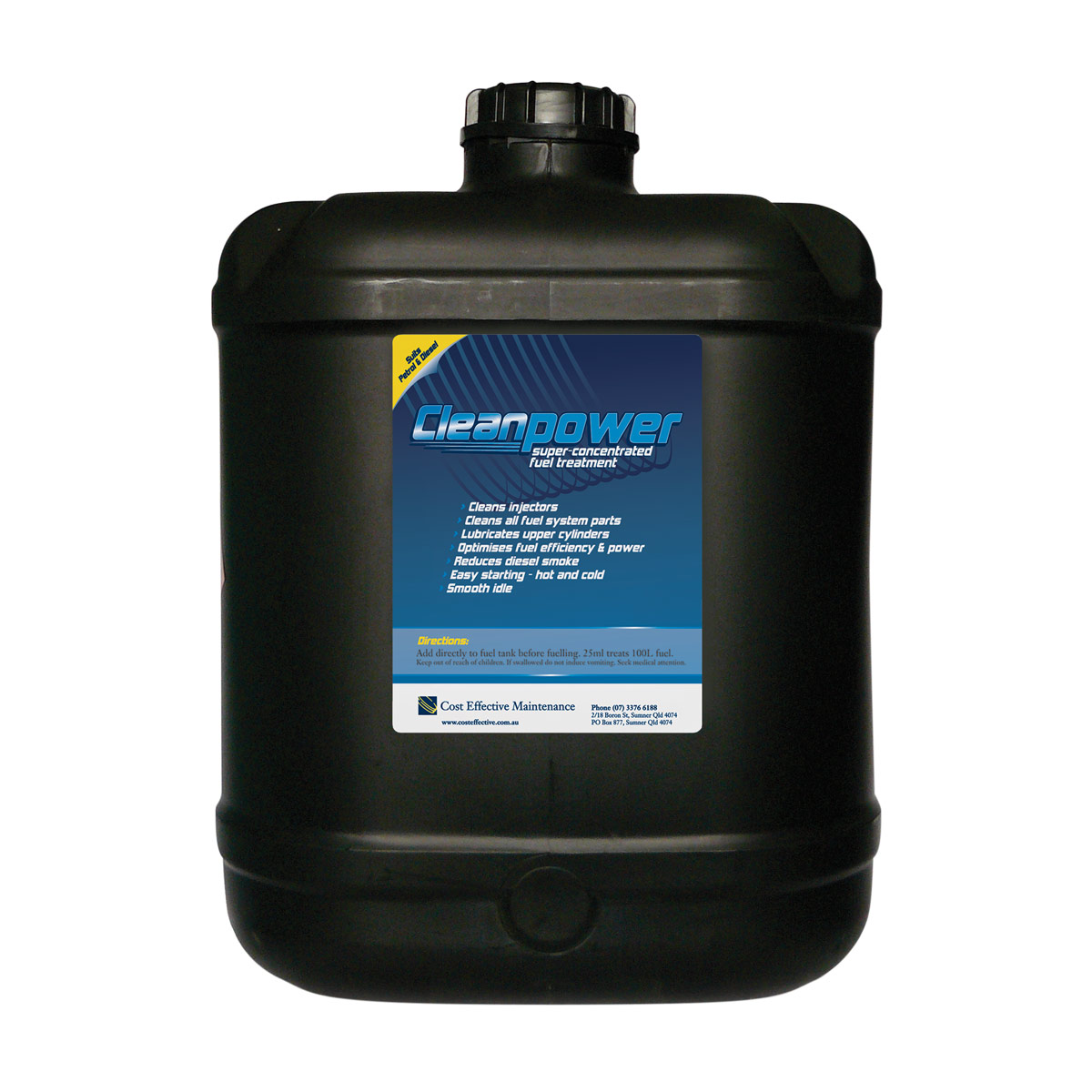
Cleanpower
Use Cleanpower as preventative and first-step corrective treatment for petrol dispensing systems. In addition, it keeps flow rates up and deposits at bay.
- Best for ongoing maintenance
- First treatment for early warning signs
- Supports cleaner system operation
- Dose: 1:4,000
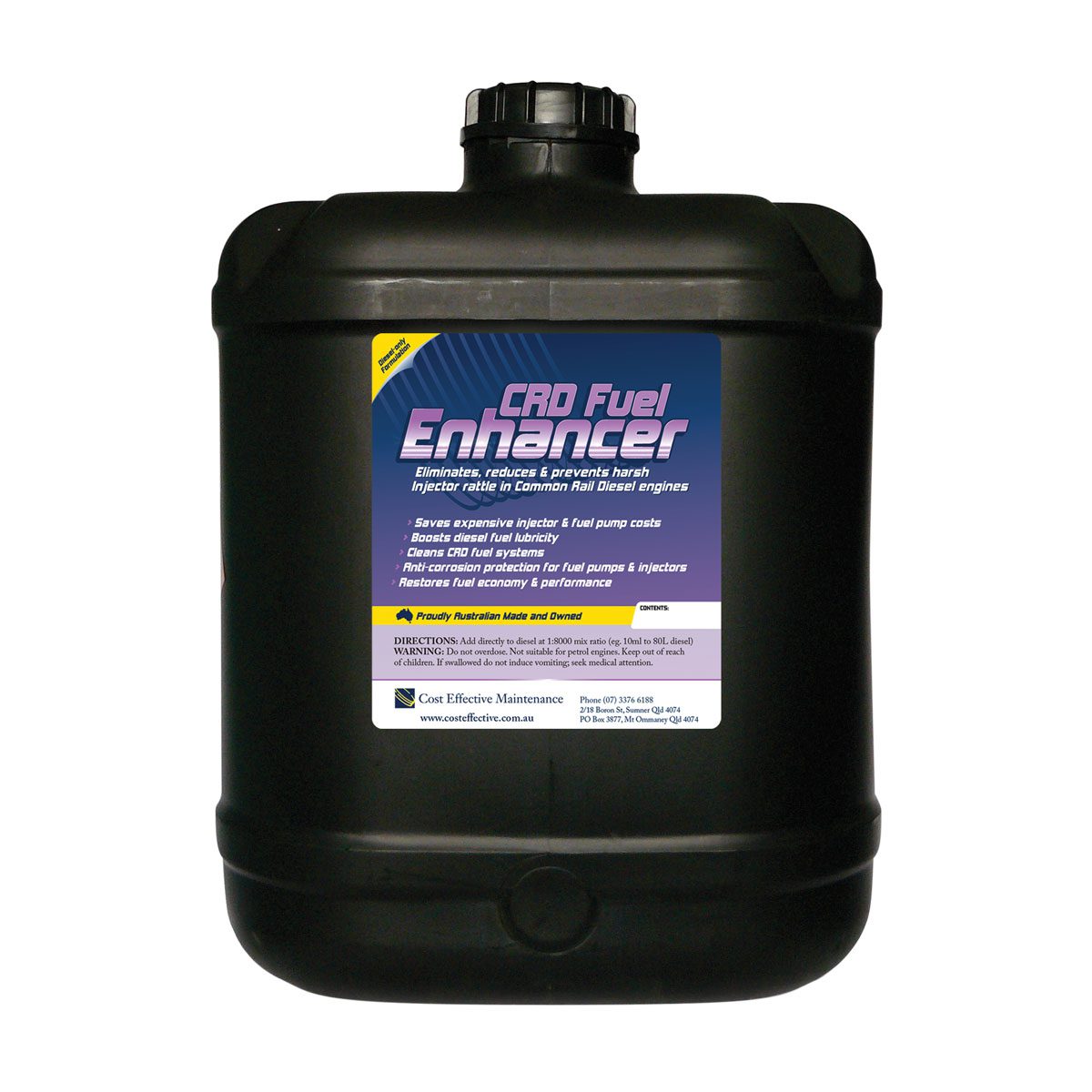
CRD Fuel Enhancer
This diesel-specific fuel enhancer improves combustion efficiency, reduces carbon deposits, and supports injector cleanliness. Ideally, use it continuously alongside your biocide programme.
- Diesel systems — ongoing preventative dose
- Improves combustion efficiency
- Reduces injector deposits
- Compatible with PMX-145
- Dose: 1:8,000
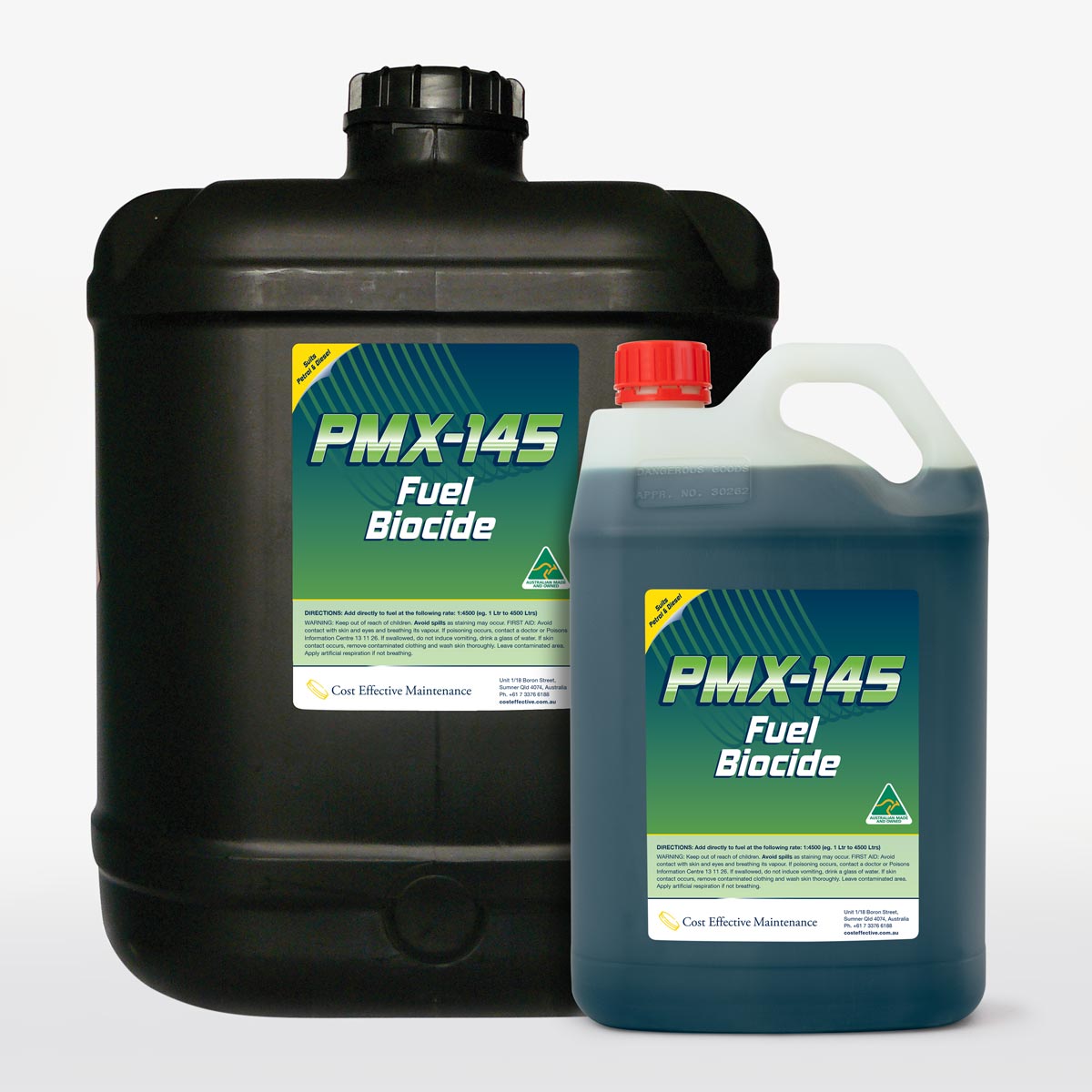
PMX-145 Fuel Biocide
The recommended fuel biocide for blocked filters, severe restriction, and confirmed microbial or water contamination in petrol and diesel systems.
- Direct tank dosing — petrol & diesel
- Non-hazardous, no DG handling required
- Kills mould, yeast, bacteria & fungus
- Biostatic — prevents regrowth
- Independently verified in ULP 98 (2026)
- ASTM D975 compliant
- 5+ years protection in diesel
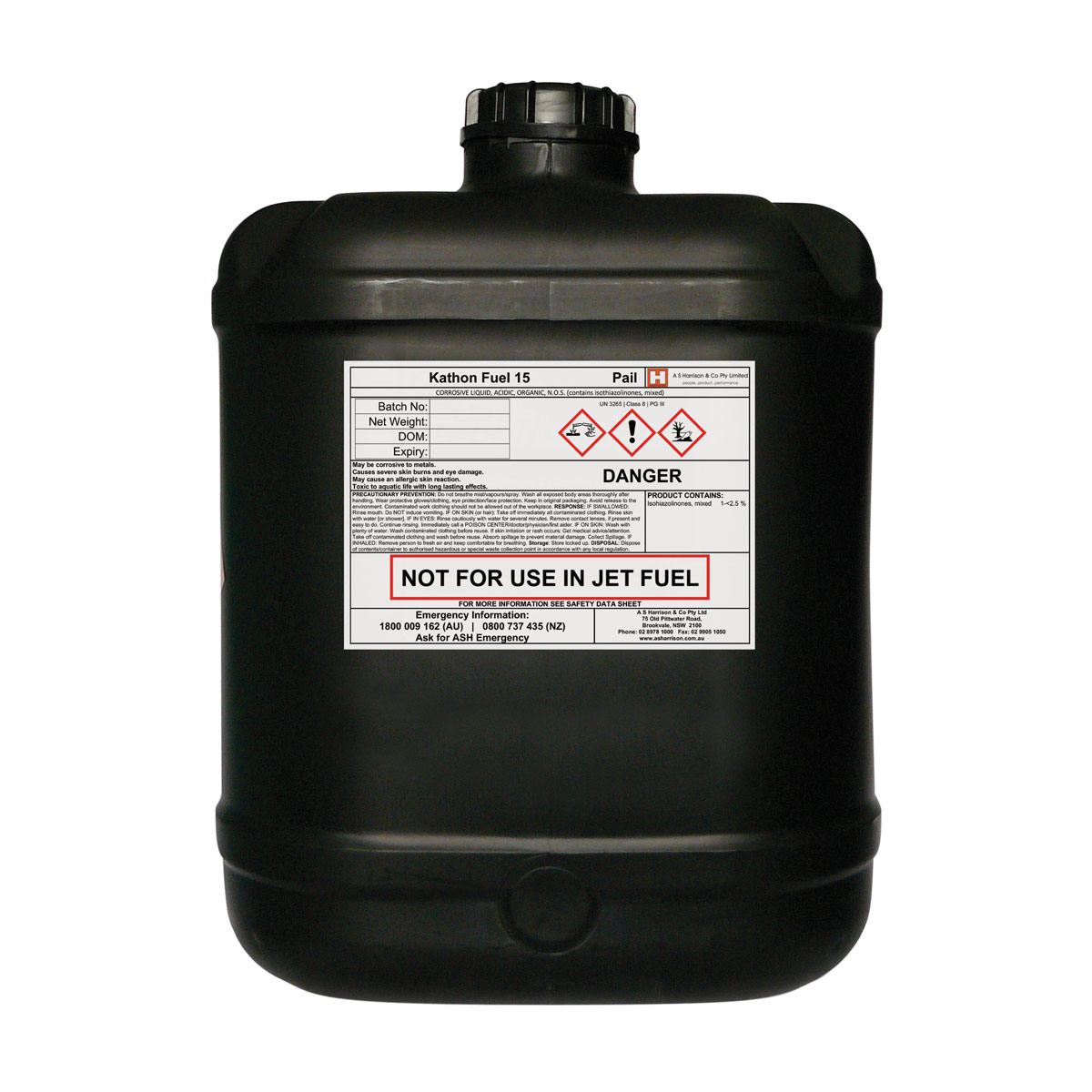
Kathon Fuel 15
Available for severely fouled systems where professional application is in place. Requires pre-mixing into fuel — cannot be dosed directly into vehicle or marine tanks.
- Professional users only
- Must be pre-mixed — not for direct tank addition
- EPA Registered and globally recognised
- Dose: 1:3,333 (100–150 ppm)
All products are designed for use in appropriate fuel systems and, when used at recommended dosages, do not adversely affect key fuel properties. PMX-145 compatibility with ULP 98 independently verified (Laboratory Report AU120-0023803, 07-May-2026) under the Fuel Quality Standards (Petrol) Determination 2024 & Amendment Determination (No.1) 2026. Diesel compatibility independently verified under ASTM D975. Always review product data sheets for full dosing and safety procedures.