Cost Effective Maintenance
(07) 3376 6188                  
00 items
  • Home
  • Products
    • Shop By Category
      • Fuel Additives
      • Petrol Fuel Additives
      • Oil Additives
      • Oil Sludge Remover
      • DPF Cleaner
      • Coolant
      • Marine Additives
      • Fluid Testing Kits
      • Fuel Biocide
      • Engine Blowby
      • Engine Overheating
      • Stop Rust
      • Accessories
      • Catch Cans
      • Throttle Controllers
    • Our Products
      • Cleanpower Fuel Treatment and Fuel Injector Cleaner
      • CRD Fuel Enhancer for Common Rail Engines
      • Flushing Oil Concentrate
      • FTC Decarbonizer
      • FTC Special Offer
      • AW10 Antiwear
      • Aw10 Antiwear Special Offer
      • RMI-25 Cooling System Treatment
      • Marine Diesel Stabilizer
      • Discover The Secrets
      • FTC Ezypor
      • Bulk Diesel Treatment
      • Kathon Fuel 15
      • CEM Gift Voucher
    • Value Packs
      • Flushing Oil Concentrate & Cleanpower Value Pack
      • Flushing Oil Concentrate & CRD Fuel Enhancer Value Pack
      • Overheating Value Pack
      • Diesel Value Pack
      • Petrol Value Pack
      • Ultimate Petrol Pack
      • Ultimate Diesel pack
      • Engine Blowby Kit
      • Stop Smoke Pack Diesel
      • Stop Smoke Pack Petrol
      • Dirty Petrol Kit
    • Stop Rust
      • XTROLL Rust Conqueror UV
      • XTROLL Chassis Guard
      • XTROLL Silver
      • XTROLL Impact Black
      • XTROLL GP Primer
      • Rusted Solutions Rust Remover Gel
      • Rusted Solutions Rust Remover Liquid Soak
    • Oil Catch Cans
      • Catch Can Kits
        • Western Filters
        • Directions Plus
      • ProVent 200 Oil Catch Can
      • Provent 200 replacement filter
      • Throttle Controllers
      • Accessories
        • Fluid Testing Kits
  • News
  • Reviews
    • Customer Reviews on FTC Decarbonizer
    • Customer Reviews on CRD Fuel Enhancer
    • Customer Reviews on AW10 Antiwear
    • Customer Review Cleanpower Fuel Treatment
    • Customer Reviews on RMI-25
    • Customer Reviews on Flushing Oil Concentrate
    • Customer Reviews on Xtroll Rust Conqueror
  • Problems
    • Blowby, Smoke & Oil Consumption
    • Fix your Overheating Engine
    • Improve Fuel Economy and Boost Engine Power
    • Hard Starting and Filthy Oil
    • Preventative Maintenance
    • Save Money on Repair Bills
    • Performance and Fuel Economy
    • Problem Solver Checklist
  • Mining
    • Combustion Optimisation & Safeguard Framework Alignment | FTC Decarbonizer
    • FPC Diesel Additive
    • FPC Diesel Additive Field Testing
    • FPC Diesel Additive Scientific Testing
    • FPC Scientific Publications
    • FPC Treatment Ratios, Packing & Dosing Systems
    • FPC FAQ’s
    • FPC SDS
      • PMX145 Fuel Biocide
        • PMX145 Compliance Information
  • Testing
    • FTC / FPC Decarbonizer
      • FTC Decarbonizer Independent Testing
      • FTC Decarbonizer (FPC-1) | Independent Testing & Scientific Evidence
      • Fuel efficiency and emission reduction trial
      • Fuel efficiency and emission reduction trial NSW Surface Mine
      • FTC Decarbonizer Testing Summary
    • CRD Fuel Enhancer
      • CRD Fuel Enhancer Independent Testing
      • Injector Testing
    • PMX 145
      • PMX 145 Biocide Independent Testing
      • PMX145 Bacterial Testing
    • RMI25
      • RMI-25 Independent Testing
      • RMI-25 Testing Summary
    • BCC DT80 Test Report
    • How to reduce transmission temperatures
  • FAQs
  • About us
    • CEM Timeline
  • Contact Us
    • Reviews
    • General Enquiry
    • Distributors
    • Xtroll Distributors
    • Become a Distributor
    • Promotions
  • Account details
00 items
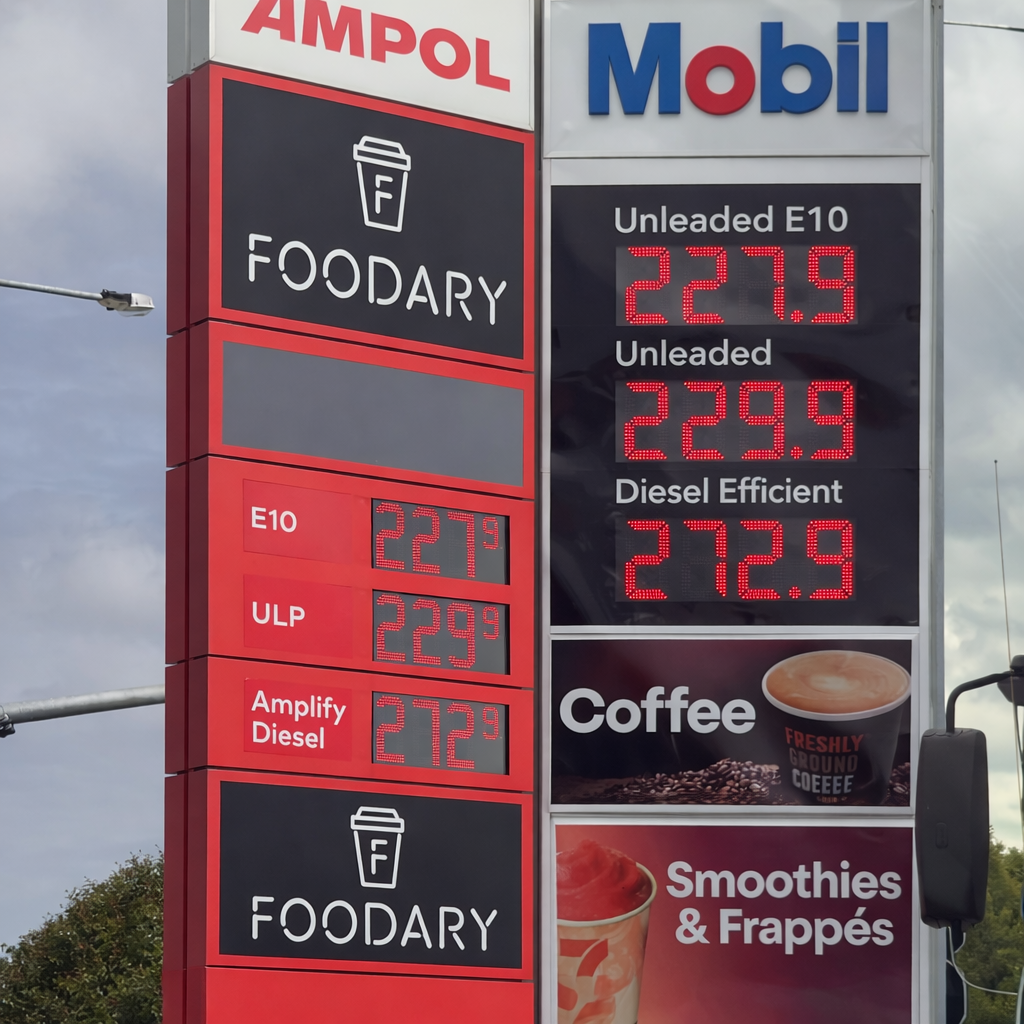
Fuel Prices increase around Australia

Australia’s “Dirty Fuel” Situation

Australia’s Dirty Fuel Problem: What Lower Fuel Standards Mean for Modern Engines

How temporary fuel standard changes highlight the importance of combustion cleanliness and soot control in modern engines.

Recent news about Australia temporarily allowing slightly lower petrol quality to ease fuel supply pressures has raised questions about how modern engines respond to changes in fuel composition. While the adjustment is expected to be short term and unlikely to cause immediate damage, variations in fuel quality can influence combustion behaviour.

Even small increases in sulphur or impurities can lead to slightly higher soot and carbon formation inside modern engines, particularly those using direct fuel injection. This makes combustion cleanliness and deposit control an increasingly important factor in maintaining engine efficiency and emissions performance.

Australia’s temporary fuel quality adjustment is expected to be short-lived. However, it highlights a broader point for modern engines: fuel quality can vary due to supply conditions, regional standards, and market disruptions.

Modern Engines Are More Sensitive to Soot Formation from “Dirty Fuel”

Today’s petrol engines operate very differently from older designs.

Most modern vehicles now rely on technologies such as:

  • Gasoline Direct Injection (GDI)
  • Turbocharging
  • Advanced catalytic converters
  • Petrol particulate filters (PPF)

These systems improve fuel efficiency and reduce emissions, but they also make engines more sensitive to combustion conditions and fuel composition.

Direct-injection engines inject fuel directly into the combustion chamber rather than into the intake port. While this improves efficiency and power output, it also changes the combustion process. Under certain conditions, direct injection petrol engines can produce significantly more particulate matter than traditional port fuel injection engines.

Because of this, many newer petrol vehicles now rely on petrol particulate filters (PPF) to capture soot particles before they exit the exhaust system.

A similar approach has long been used in diesel vehicles through Diesel Particulate Filters (DPF), which capture soot generated during diesel combustion. The widespread use of particulate filters across both petrol and diesel engines highlights how important controlling soot formation has become in modern engine design.

When fuel composition changes, even slightly, combustion efficiency can be affected, increasing the conditions that allow soot and carbon particles to form.

Over time this may contribute to:

  • Carbon deposits on fuel injectors
  • Combustion chamber buildup
  • Intake valve deposits
  • Increased particulate emissions

Vehicles built in the past 10 to 15 years, particularly those with direct injection and turbocharged engines, are therefore more sensitive to combustion cleanliness than older petrol engines.

Why Fuel Standards Were Temporarily Adjusted

Australia recently introduced much cleaner petrol standards, reducing sulphur levels to 10 parts per million (ppm) across all petrol grades to align with international fuel quality standards used in Europe and other developed markets.

However, disruptions in global fuel supply have prompted the government to temporarily relax these standards for a limited period to increase available petrol supply. The adjustment allows fuel with higher sulphur levels at 50 ppm to enter the market in order to stabilise distribution and help prevent shortages.

The situation also highlights a broader challenge facing Australia’s fuel security. Unlike many countries that maintain larger domestic fuel reserves, Australia relies heavily on imported fuel and has historically remained below the International Energy Agency’s 90-day stockholding benchmark.

Australia’s domestic refining capacity has also declined significantly over the past decade. Today, the country operates only two remaining oil refineries: Ampol’s Lytton refinery in Queensland and Viva Energy’s Geelong refinery in Victoria, with most refined fuel now sourced from overseas.

Why Combustion Cleanliness Matters

Soot formation begins during the combustion process itself. When fuel does not burn completely, hydrocarbons can form carbon particles that eventually accumulate as deposits inside the engine.

These deposits can gradually affect engine performance by:

  • Disrupting fuel atomisation
  • Reducing combustion efficiency
  • Increasing particulate formation
  • Placing additional load on emission control systems

Over time, carbon accumulation may contribute to reduced fuel efficiency, higher emissions, rougher engine operation, and increased maintenance requirements.

Maintaining clean combustion conditions is therefore one of the most effective ways to control soot formation in modern engines.

In situations where fuel quality fluctuates, even temporarily, technologies that help maintain clean combustion can provide an additional layer of protection for engine performance and emissions systems.

Avoiding Dirty Fuel problems with FTC Decarbonizer.

Easy to use decarbonization technologies, such as FTC Decarbonizer, are designed to help address one of the primary causes of soot formation: carbon accumulation within the combustion system.

By helping break down carbon deposits and supporting more efficient combustion, this additive can totally avoid many of the high sulphur concerns drivers have:

  • Reduced carbon buildup
  • Cleaner injectors and combustion chambers
  • Improved combustion efficiency
  • Lower soot and particulate formation

These benefits can help engines maintain performance and efficiency, particularly in environments where fuel quality may vary.

For more information on FTC Decarbonizer can help your vehicle avoid high sulphur problems contact Cost Effective Maintenance PH 07 33766188


 

Get in Touch!

Products

  • Our Products
  • Value Packs
  • Stop / Remover Rust
  • CEM Gift Voucher

Catch Cans

  • OIL Catch Cans

About Us

  • CEM Timeline
  • FAQs
  • Latest News
  • Returns Policy
  • Refund Policy
  • Shipping Policy
  • Payment Methods

How Can We Help

  • Contact Us
  • Trade Enquiries

(07) 3376 6188

Cost Effective Maintenance

(07) 3376 6188                  

© Copyright 2017. Cost Effective Maintenance. | Privacy Policy
  • Home
  • Products
    • Shop By Category
      • Fuel Additives
      • Petrol Fuel Additives
      • Oil Additives
      • Oil Sludge Remover
      • DPF Cleaner
      • Coolant
      • Marine Additives
      • Fluid Testing Kits
      • Fuel Biocide
      • Engine Blowby
      • Engine Overheating
      • Stop Rust
      • Accessories
      • Catch Cans
      • Throttle Controllers
    • Our Products
      • Cleanpower Fuel Treatment and Fuel Injector Cleaner
      • CRD Fuel Enhancer for Common Rail Engines
      • Flushing Oil Concentrate
      • FTC Decarbonizer
      • FTC Special Offer
      • AW10 Antiwear
      • Aw10 Antiwear Special Offer
      • RMI-25 Cooling System Treatment
      • Marine Diesel Stabilizer
      • Discover The Secrets
      • FTC Ezypor
      • Bulk Diesel Treatment
      • Kathon Fuel 15
      • CEM Gift Voucher
    • Value Packs
      • Flushing Oil Concentrate & Cleanpower Value Pack
      • Flushing Oil Concentrate & CRD Fuel Enhancer Value Pack
      • Overheating Value Pack
      • Diesel Value Pack
      • Petrol Value Pack
      • Ultimate Petrol Pack
      • Ultimate Diesel pack
      • Engine Blowby Kit
      • Stop Smoke Pack Diesel
      • Stop Smoke Pack Petrol
      • Dirty Petrol Kit
    • Stop Rust
      • XTROLL Rust Conqueror UV
      • XTROLL Chassis Guard
      • XTROLL Silver
      • XTROLL Impact Black
      • XTROLL GP Primer
      • Rusted Solutions Rust Remover Gel
      • Rusted Solutions Rust Remover Liquid Soak
    • Oil Catch Cans
      • Catch Can Kits
        • Western Filters
        • Directions Plus
      • ProVent 200 Oil Catch Can
      • Provent 200 replacement filter
      • Throttle Controllers
      • Accessories
        • Fluid Testing Kits
  • News
  • Reviews
    • Customer Reviews on FTC Decarbonizer
    • Customer Reviews on CRD Fuel Enhancer
    • Customer Reviews on AW10 Antiwear
    • Customer Review Cleanpower Fuel Treatment
    • Customer Reviews on RMI-25
    • Customer Reviews on Flushing Oil Concentrate
    • Customer Reviews on Xtroll Rust Conqueror
  • Problems
    • Blowby, Smoke & Oil Consumption
    • Fix your Overheating Engine
    • Improve Fuel Economy and Boost Engine Power
    • Hard Starting and Filthy Oil
    • Preventative Maintenance
    • Save Money on Repair Bills
    • Performance and Fuel Economy
    • Problem Solver Checklist
  • Mining
    • Combustion Optimisation & Safeguard Framework Alignment | FTC Decarbonizer
    • FPC Diesel Additive
    • FPC Diesel Additive Field Testing
    • FPC Diesel Additive Scientific Testing
    • FPC Scientific Publications
    • FPC Treatment Ratios, Packing & Dosing Systems
    • FPC FAQ’s
    • FPC SDS
      • PMX145 Fuel Biocide
        • PMX145 Compliance Information
  • Testing
    • FTC / FPC Decarbonizer
      • FTC Decarbonizer Independent Testing
      • FTC Decarbonizer (FPC-1) | Independent Testing & Scientific Evidence
      • Fuel efficiency and emission reduction trial
      • Fuel efficiency and emission reduction trial NSW Surface Mine
      • FTC Decarbonizer Testing Summary
    • CRD Fuel Enhancer
      • CRD Fuel Enhancer Independent Testing
      • Injector Testing
    • PMX 145
      • PMX 145 Biocide Independent Testing
      • PMX145 Bacterial Testing
    • RMI25
      • RMI-25 Independent Testing
      • RMI-25 Testing Summary
    • BCC DT80 Test Report
    • How to reduce transmission temperatures
  • FAQs
  • About us
    • CEM Timeline
  • Contact Us
    • Reviews
    • General Enquiry
    • Distributors
    • Xtroll Distributors
    • Become a Distributor
    • Promotions
  • Account details

Freight Costs

NON Flammable XTroll now available

Due to recent increases in Dangerous Goods freight costs, we have temporarily suspended all Xtroll Rust Conqueror deliveries to WA, SA, NT, and TAS.

Unfortunately, Cost Effective Maintenance is no longer able to subsidise these additional costs.

Change to a Non Flammable version of Xtroll

No thanks, I’m not interested.

Buy One Get One Free

No thanks, I’m not interested!