At Cost Effective Maintenance, our fantastic range of DPF cleaner additives is built to keep a modern diesel particulate filter working the way it should.
By adding an FTC decarboniser DPF cleaner to the tank, the product helps reduce soot emissions at the source. At the same time, it also encourages existing soot particles to burn away.
The result is an exhaust system that flows more freely with less soot and fewer interruptions to the vehicle’s operation.
Read more
Why Do Modern Diesels Need a DPF Cleaner Additive?
A diesel particulate filter (DPF) sits in the exhaust system and traps soot particles produced by diesel engines. Over time, that soot builds up. When clogging occurs, the engine is forced to run regeneration cycles to burn it off.
Frequent regeneration can interrupt driving and reduce fuel economy. In some cases, it can even trigger a warning light or limp mode. For passenger cars and commercial vehicles alike, this becomes a maintenance issue that costs time and money.
Using either a DPF cleaner or a DPF additive cleaner helps prevent that buildup before it becomes a problem. That’s because instead of reacting once the filter is blocked, the additive continues to work in the fuel to reduce soot formation.
What is an FTC Diesel Decarbonizer?
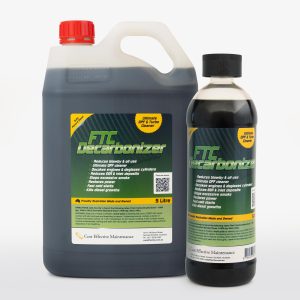
FTC Diesel Decarbonizer is designed to work during combustion. Once added to the tank, it helps fuel burn more efficiently. Subsequently, less soot is created in the engine.
At the same time, it helps break down existing carbon deposits in the diesel particulate filter, turbo, and injectors. These deposits are oxidised and burned off during normal driving, which helps the system regenerate more effectively.
The product is suitable for a wide range of diesel vehicles, including 4x4s, utes, and heavy-duty applications, and doesn’t require special tools or complex installation.
Prevent DPF Blockages, Regens and Downtime
Regular use of a DPF cleaner helps keep the particulate filter clean and reduces the risk of blockages. This can mean fewer forced regens, lower backpressure and a more consistent engine performance.
Drivers often notice smoother operation. Along with improved fuel economy and reduced strain on key components. Over time, this approach helps extend the DPF’s life. It also reduces the risk of damage from excessive soot and ash buildup.
How to Use Diesel Particulate Filter Additives in Everyday Driving and Heavy Work
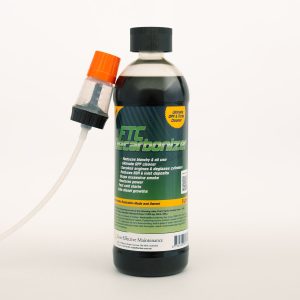
It is very straightforward to use a DPF cleaner. The additive is added directly to the fuel tank during filling, where it mixes with the diesel and begins working immediately.
Depending on your vehicle and its workload, most applications recommend dosing at regular intervals. Generally speaking, for everyday driving, adding the product every few tanks can help maintain performance. But, in heavy-use conditions, such as towing or commercial work, more frequent use may be recommended.
The key is to be consistent because when used as part of a routine maintenance schedule, a DPF cleaner makes a real difference to the vehicle. It reduces downtime and keeps everything running as intended.
-
 Bulk Fuel Treatments, Diesel DPF Cleaner, Diesel Fuel Additives, Engine Blowby, FTC Decarbonizer, Fuel Additives, Fuel Biocide, Main-products, Marine Fuel Additives, Our Products
FTC Diesel Decarbonizer
From $135.00 incl. GSTSelect options This product has multiple variants. The options may be chosen on the product page