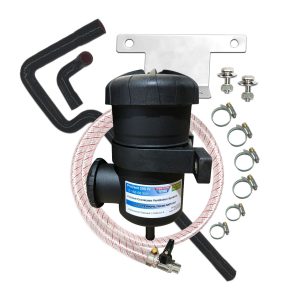
Oil catch cans are designed to protect modern engines from the oily vapour that circulates through the crankcase system. In many factory setups, this mix of oil, unburned fuel and exhaust gas is sent straight back into the intake. Over time, that creates a sticky layer across intake valves, intercoolers and EGR components.
By installing an oil catch can kit, that vapour is filtered before it can re-enter the engine. As the system traps contaminants in a catch tank, it helps the vehicle to run cleaner. This results in better performance and improved fuel efficiency over the long run.
Read more
What Does an Oil Catch Can Do on a Modern Diesel?
An oil catch can separates oil mist and contaminants from crankcase vapour. Cleaned air is then returned to the intake, while the unwanted oil and carbon-heavy residue stays in the can.
This is especially important in modern diesel engines with EGR systems. When oil mixes with soot, it forms carbon build-up that can stick to valves and restrict airflow. Over time, that can lead to a significant performance drop. Notably, as a result of increased oil consumption and potential engine damage.
Using a quality oil catch can help reduce these problems. It protects the system’s condition, keeps its airflow cleaner and ensures it benefits from running more efficiently.
Vehicle-Specific Catch Can Kits for 4x4s and Utes
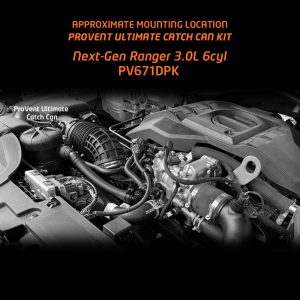
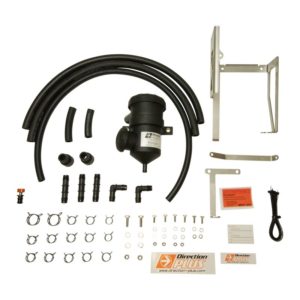
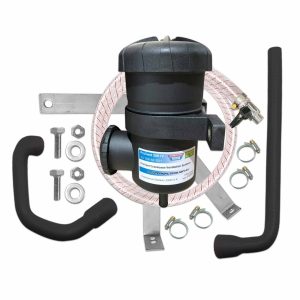
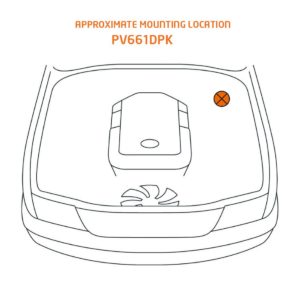
At Cost Effective Maintenance, we stock a range of catch can kits suited to most popular 4×4 and ute brands across Australia. These kits are designed to fit properly and include brackets, hoses, and fittings.
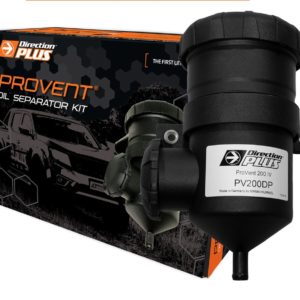
Options include ProVent kits and Direction-Plus kits. Each one is easy to install and durable, which makes them suitable for customers who drive everyday and touring vehicles.
Choosing the Right Oil Catch Tank for Your Setup
A full catch can kit is the easiest option for most vehicles because it’s designed to suit a specific engine and comes ready to install. That said, universal oil catch tanks offer more flexibility, largely because they suit modified setups or custom engine bays. However, they may need extra work to ensure it fits correctly.
Which one you choose will depend on what type of vehicle you drive and how you use it. Either way, the goal is the same. Capture contaminants before they can cause problems.
How Often to Check and Maintain Your Catch Can
You should regularly check your oil catch can as part of normal car maintenance. Drivers are recommended to inspect it every couple of weeks to keep it on point, and especially after long drives or heavy use.
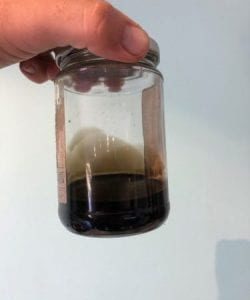
The collected oil and water content should be drained when needed, and any systems that have filters may also need to be upgraded over time.
Staying on top of maintenance helps the catch can continue doing its job. It can also prevent bigger issues, extend the manufacturer’s engine life and save money on repairs.
-

-
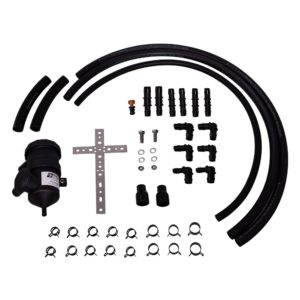 Directions Plus, Oil Catch Cans, Our Products, Uncategorised
Provent Catch Can Kits PV201DPK
$420.00 incl. GST -